High-Protein Turkey Bolognese Pasta for After a Surf
What is a good high-protein dinner after surfing? A plate with enough carbohydrate to refill what you burned paddling, and 20 to 40 grams of protein to start repair. This turkey bolognese pasta gives you about 38g of protein, 83g of carbohydrate, 17g of fat, and 625 calories per serving. It takes 35 minutes, uses one pot and one skillet, and feeds four. Leftovers go straight into containers for tomorrow.
Key Takeaways
- One serving has about 38g protein, 83g carbohydrate, 17g fat, and 625 calories, estimated from USDA FoodData Central values for dry pasta, 93% lean ground turkey, and canned crushed tomatoes.
- The International Society of Sports Nutrition's 2017 protein and exercise position stand gives a general per-serving target of 0.25g of high-quality protein per kg of body weight, or an absolute dose of 20 to 40g.
- The same stand puts daily protein for most exercising people at 1.4 to 2.0g per kg. For a 70kg surfer that is about 98 to 140g a day, and one bowl of this pasta covers 27 to 39 percent of it.
- USDA FoodData Central lists raw 93% lean ground turkey at 18.7g of protein and 8.34g of fat per 100g, so the 1-pound pack in this recipe puts about 85g of protein in the pot.
Why is pasta a good dinner after surfing?
Pasta is the fastest way to put a big, cheap serving of carbohydrate on the table. USDA FoodData Central lists dry enriched pasta at 74.7g of carbohydrate and 13g of protein per 100g. The 85g dry portion in each bowl brings about 64g of carbohydrate before the sauce adds any. Crushed tomatoes, onion, and spinach add most of the rest.
That carbohydrate refills muscle glycogen, the fuel a long paddle draws down. The ISSN nutrient timing position stand notes that glycogen stores are maximized by a high-carbohydrate diet of 8 to 12g per kg per day. It also notes that these stores are depleted most by high-volume exercise. A three-hour session is a good night for a full bowl.
How much protein should a surfer eat at dinner?
Aim for 20 to 40g at the meal, scaled to your size. The ISSN protein stand gives 0.25g per kg of body weight as a general per-serving target, which works out to about 18g for a 70kg surfer and about 23g for a 90kg surfer. It also says these doses "should ideally be evenly distributed, every 3–4 h, across the day." At 38g per bowl, this dinner sits at the top of that range, so smaller surfers can take a slightly smaller portion.
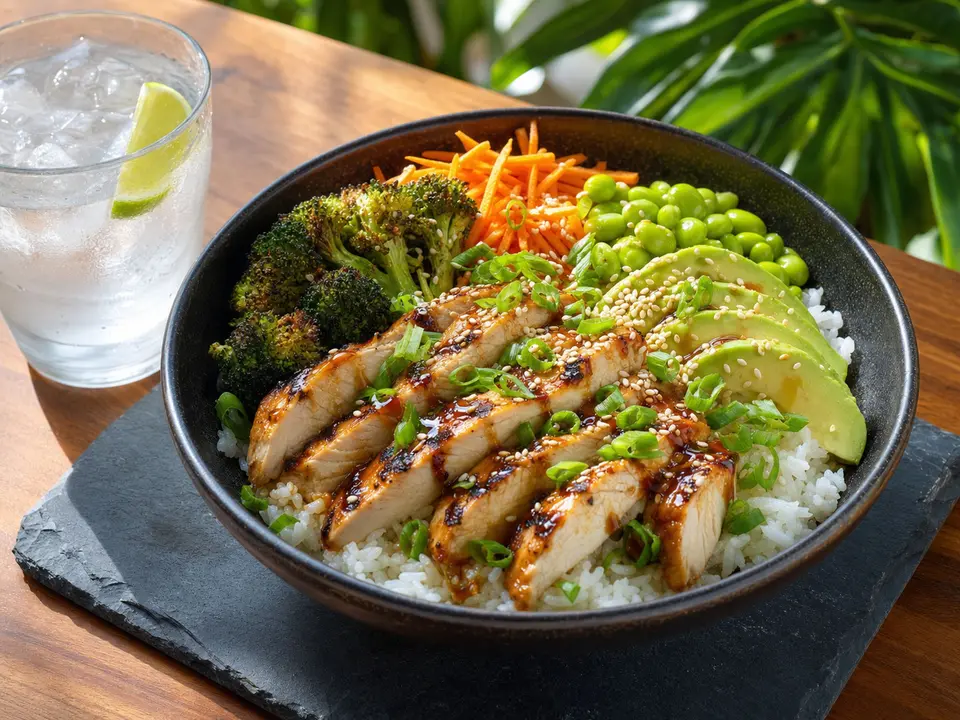
These numbers line up with the targets in our post-surf recovery nutrition guide, which calls for 25 to 40g of protein and 75 to 90g of carbohydrate after a session. One serving here hits both. If you would rather have rice, the teriyaki chicken recovery rice bowl fills the same job.
Recovery
Key Ingredient: 93% lean ground turkey
Raw 93% lean ground turkey has 150 calories, 18.7g of protein, and 8.34g of fat per 100g, according to USDA FoodData Central (SR Legacy, FDC ID 172850). That is enough fat to brown well and stay tender in the sauce, without making the bowl heavy. It cooks in under 10 minutes, and it soaks up the tomato and oregano the same way beef does.
Can you meal prep this pasta for the week?
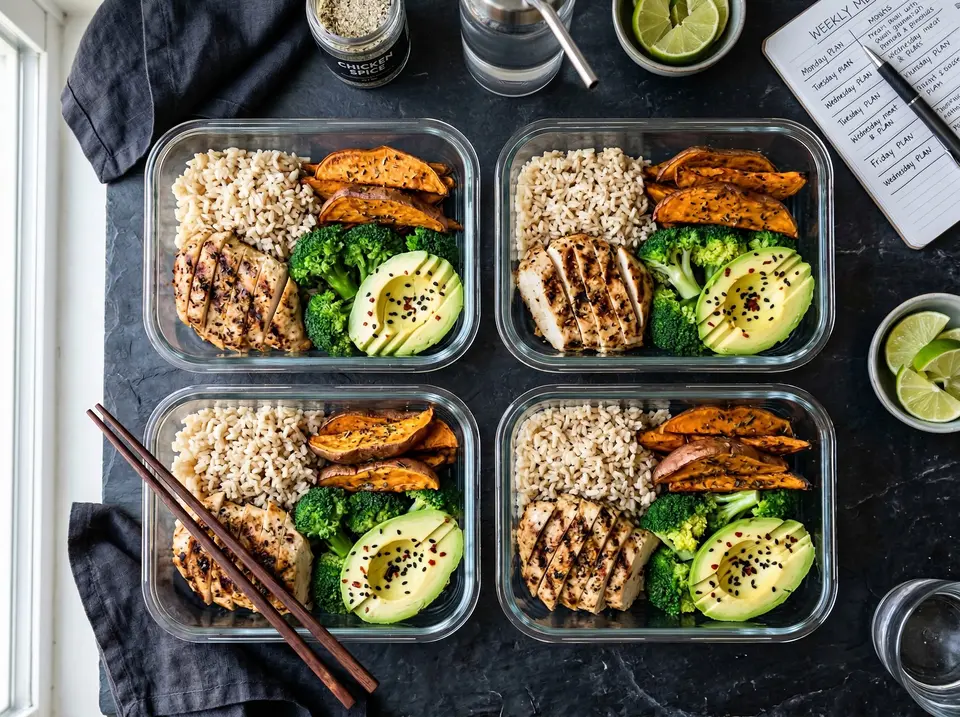
Yes, and it is one of the better pasta dishes for it. The sauce clings to short shapes like penne and rigatoni, which helps reheated portions stay moist. Let the pasta cool briefly, then pack it into sealed containers and refrigerate it promptly. Reheat until it is steaming hot all the way through, and add a splash of water to loosen the sauce.
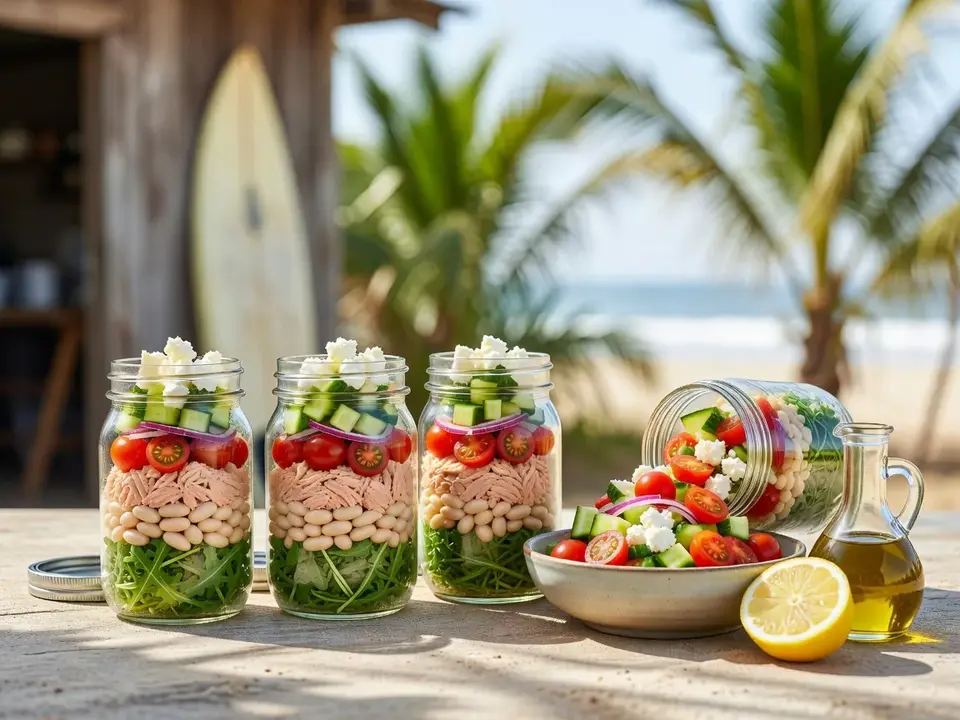
Cooking for a surf week? Pair this dinner with no-cook tuna and white bean meal-prep jars for lunch. Between the two, you can cover several post-surf meals with one evening in the kitchen.
Recipe
Ingredients (4 servings)
- 340g (12 oz) dry penne or rigatoni
- A pinch of salt for the pasta water
Turkey Bolognese Sauce
- 1 tablespoon olive oil
- 1 medium yellow onion (about 110g), finely chopped
- 3 cloves garlic, minced
- 454g (1 lb) 93% lean ground turkey
- 1 teaspoon dried oregano
- 1/4 teaspoon fine salt
- 1/4 teaspoon black pepper
- 1 can (28 oz, 794g) crushed tomatoes
- 3 cups (about 90g) baby spinach
- 1/4 cup (25g) grated parmesan, for serving
Instructions
- Bring a large pot of water to a boil for the pasta and add a pinch of salt.
- Heat the olive oil in a large skillet over medium heat. Add the onion and cook for about 5 minutes, until soft. Add the garlic and cook for 30 seconds.
- Turn the heat to medium-high. Add the turkey, oregano, salt, and pepper. Break up the meat with a spoon and cook for 6 to 8 minutes, until browned with no pink left. A thermometer should read 165°F.
- Pour in the crushed tomatoes. Simmer, uncovered, for 12 to 15 minutes, stirring now and then, until the sauce thickens.
- While the sauce simmers, cook the pasta until al dente, following the package time. Scoop out 1/2 cup of the pasta water, then drain.
- Stir the spinach into the sauce for about 1 minute, until it wilts. Add the pasta and toss, loosening with a splash of pasta water if needed. Split into 4 bowls and top each with 1 tablespoon of parmesan.
Nutrition (per serving, estimate)
| Calories | 625 |
| Protein | 38g |
| Carbohydrates | 83g |
| Fat | 17g |
| Fiber | 8g |
| Sodium | 730mg |
Ingredients to macros
Values are estimates. Typical-value rows use common food-composition figures for the listed amounts. The listed total is the number published with this recipe. They will not always match.
| Ingredient | Amount | Pro g | Carb g | Fat g | kcal |
|---|---|---|---|---|---|
| Dry enriched pasta | 85g | 11 | 64 | 1 | 315 |
| 93% lean ground turkey, raw | 113g | 21 | 0 | 10 | 170 |
| Canned crushed tomatoes | 198g | 3 | 15 | 1 | 64 |
| Olive oil | 3/4 tsp | 0 | 0 | 3 | 30 |
| Grated parmesan | 6g | 2 | 1 | 2 | 26 |
| Onion, garlic, spinach | share | 1 | 4 | 0 | 20 |
| Typical-value estimate | 38 | 84 | 17 | 625 | |
| Listed on this recipe | 38 | 83 | 17 | 625 | |
How these numbers are calculated
Rounding note: each row is rounded on its own, so the carbohydrate rows add to 84g while the unrounded sum is about 83g, which is the listed figure. Sodium excludes the salt in the pasta water. Swapping in whole-wheat pasta adds fiber. Check your package for its exact numbers.
FAQ
What is a good high-protein dinner after surfing?
Pick a plate with a solid serving of carbohydrate and 20 to 40g of protein. This turkey bolognese pasta gives about 38g of protein and 83g of carbohydrate per bowl, from dry pasta, 93% lean ground turkey, and crushed tomatoes. It cooks in 35 minutes and serves four, so dinner and tomorrow's lunch are both covered.
How much protein should I eat after a surf session?
The ISSN's 2017 protein and exercise position stand gives a general target of 0.25g of high-quality protein per kg of body weight, or 20 to 40g per serving. That is about 18g for a 70kg surfer. The stand suggests spreading these doses every 3 to 4 hours across the day.
How many carbs are in a serving of this turkey pasta?
About 83g of carbohydrate per serving, estimated from USDA FoodData Central values. Most of it comes from the 85g of dry pasta, which holds about 64g. For a 70kg surfer, one bowl is about 1.2g of carbohydrate per kg, a solid start on refilling glycogen after a long session.
Can I make this turkey pasta ahead for the week?
Yes. Short shapes like penne and rigatoni hold the sauce well, which helps reheated portions stay moist. Cool the pasta briefly, pack it into sealed containers, and refrigerate it promptly. Reheat each portion until it is steaming hot all the way through, adding a splash of water to loosen the sauce.
Can I use ground beef or 99% lean turkey instead?
Yes. Lean ground beef works the same way and gives a richer sauce. Extra-lean 99% turkey cuts the fat but can turn dry and crumbly, so cook it gently and let the sauce do the work. Protein and fat change with each swap, so check the package label and adjust the numbers.
Is whole-wheat pasta better after surfing?
Either works for this recipe. The numbers here use regular enriched pasta, which USDA FoodData Central lists at 74.7g of carbohydrate per 100g dry. Whole-wheat pasta adds fiber and a nuttier taste. Brands vary, so check your package and adjust the carbohydrate and fiber figures to match.
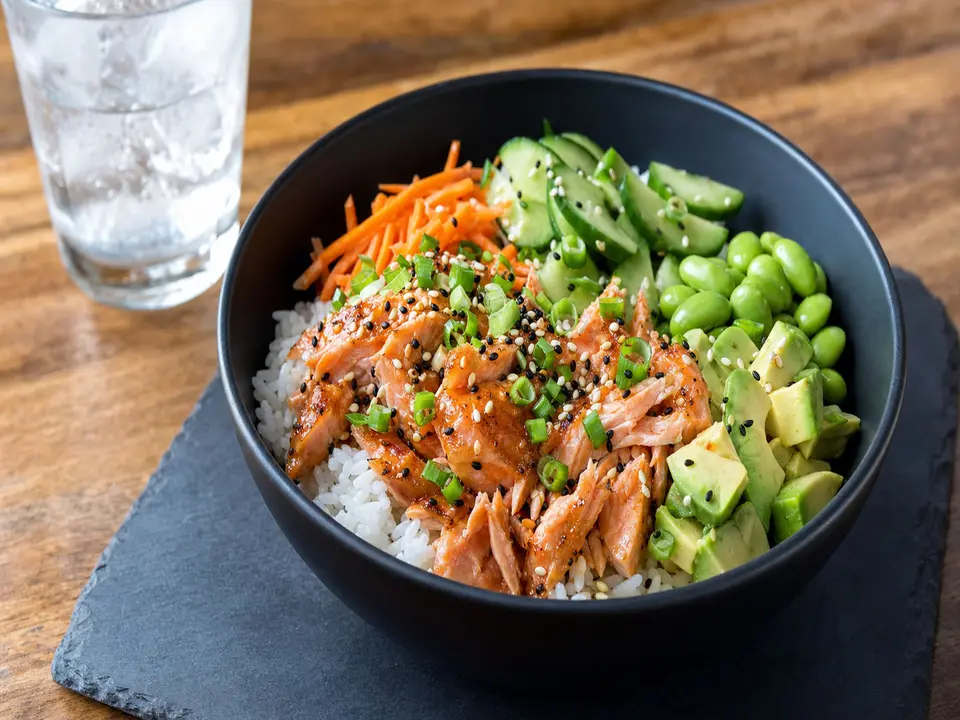
Surfing twice tomorrow? Shape a batch of salmon rice balls for between surf sessions while the sauce simmers.
Sources
- USDA FoodData Central. Pasta, dry, enriched (SR Legacy, FDC ID 169736); Turkey, ground, 93% lean, 7% fat, raw (SR Legacy, FDC ID 172850); Tomatoes, crushed, canned (SR Legacy, FDC ID 170501); Cheese, parmesan, grated (SR Legacy, FDC ID 171247); Oil, olive, salad or cooking (SR Legacy, FDC ID 171413); Onions, raw (SR Legacy, FDC ID 170000); Garlic, raw (SR Legacy, FDC ID 169230); Spinach, raw (SR Legacy, FDC ID 168462). Published 2019. https://fdc.nal.usda.gov/
- Jäger R, Kerksick CM, Campbell BI, et al. International Society of Sports Nutrition Position Stand: Protein and Exercise. Journal of the International Society of Sports Nutrition (2017). https://pmc.ncbi.nlm.nih.gov/articles/PMC5477153/
- Kerksick CM, Arent S, Schoenfeld BJ, et al. International Society of Sports Nutrition Position Stand: Nutrient Timing. Journal of the International Society of Sports Nutrition (2017). https://pmc.ncbi.nlm.nih.gov/articles/PMC5596471/