Guide
The Surfer's Supplement Stack: What You Need and What's Hype

In This Guide
The supplement industry generates over $50 billion annually in the United States alone, and the marketing is relentless. Every podcast sponsor, every Instagram ad, every surf magazine insert wants you to believe their powder or capsule will transform your performance. Here is the truth: most supplements do nothing measurable for surfers. A handful are backed by strong evidence. This guide separates the two categories with specificity.
We use a tier system. Tier 1 supplements have robust clinical evidence and direct relevance to surfing performance. Tier 2 has good evidence but is more situational. Tier 3 is promising but not essential. Everything else gets categorized as "skip." No supplement replaces a diet built on whole foods. Read this guide as an addendum to good eating, not a substitute for it.
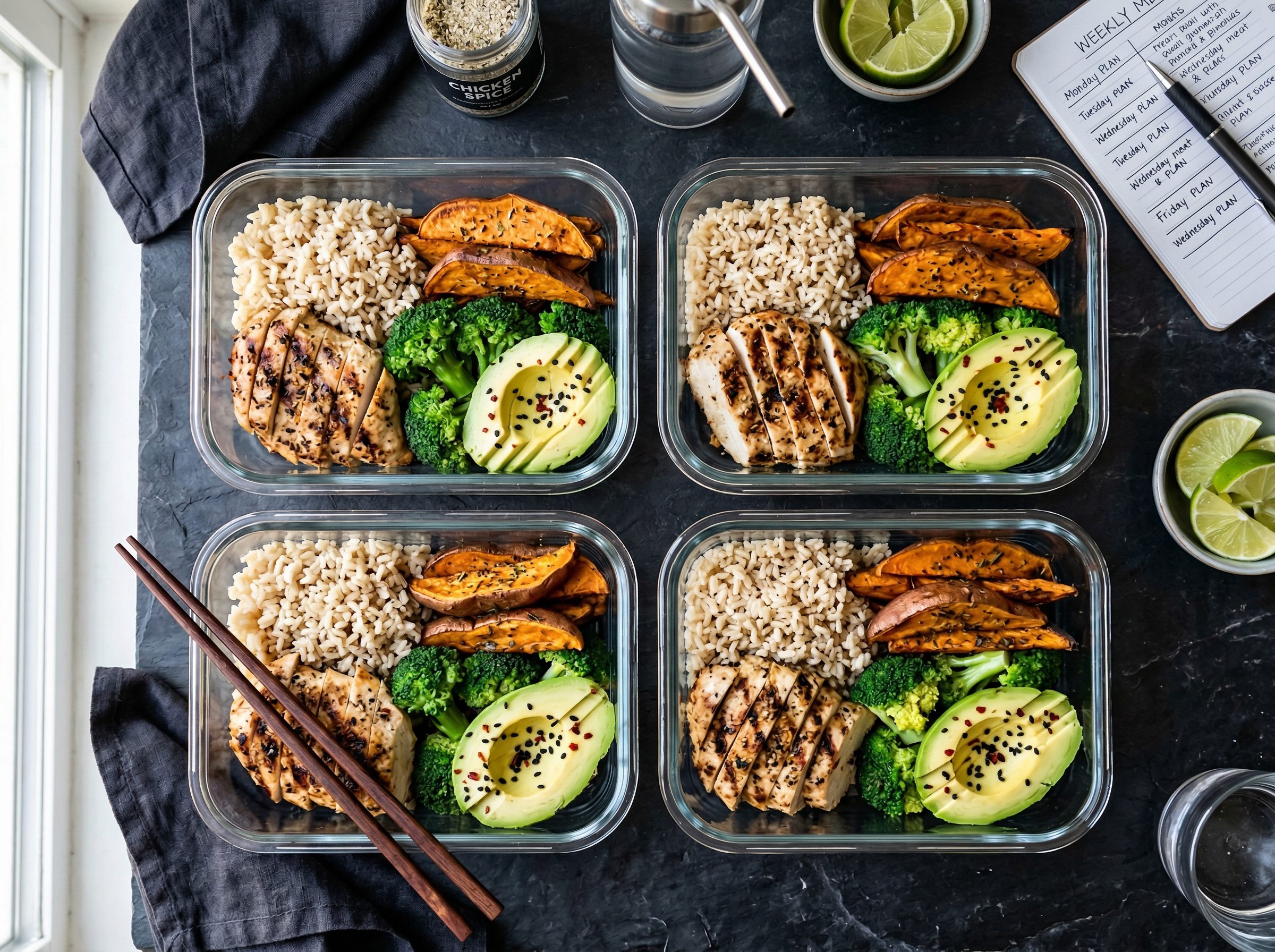
Match the meal to the session before you add a powder. See Fueling by Session: Match Food to Surf Intensity.
The Food-First Philosophy
Before spending a dollar on supplements, make sure your diet covers the basics. A surfer eating 2,500 to 3,000 calories per day from whole foods (lean protein, complex carbs, fruits, vegetables, healthy fats) is already getting most of the micronutrients they need. Supplements fill gaps. They do not build the foundation.
The exceptions are nutrients that are genuinely difficult to get from food alone, or nutrients that active surfers need in quantities above what a normal diet provides. Those are the supplements worth investing in.
Tier 1: The Evidence-Backed Essentials
Omega-3 Fatty Acids (Fish Oil)
This is the single most important supplement for surfers. Omega-3 fatty acids (specifically EPA and DHA) directly reduce exercise-induced inflammation, which is the primary limiter for surfers who train multiple sessions per week. The evidence is extensive: a meta-analysis of 68 studies in the British Journal of Sports Medicine found that omega-3 supplementation reduces muscle soreness, improves recovery time, and supports joint health.
For surfers, the anti-inflammatory effect is particularly relevant for shoulder health. Repetitive paddling creates chronic low-grade inflammation in the rotator cuff and surrounding tissues. Consistent omega-3 intake (2 to 3 grams of combined EPA/DHA daily) helps manage this inflammation.
Recommended dose: 2 to 3g combined EPA/DHA daily. Take with a meal containing fat for better absorption.
Vitamin D
This one surprises people. Surfers spend hours in the sun, yet vitamin D deficiency is common among athletes, particularly those who wear wetsuits that cover 90 percent of their skin. A study of Australian surfers (who arguably get more sun exposure than most) found that 30 percent had suboptimal vitamin D levels.
Vitamin D supports bone density, immune function, and muscle contraction strength. Deficiency is associated with increased injury risk and slower recovery. Testing your levels through a simple blood test is the most targeted approach.
Recommended dose: 2,000 to 4,000 IU daily, or as directed by your blood work results.
Electrolytes
Electrolyte replacement is non-negotiable for sessions over 60 minutes, especially in warm water or thick wetsuits. You lose sodium, potassium, magnesium, and chloride through sweat. The ratio matters more than the brand. Look for products with 500 to 1,000mg sodium, 200 to 400mg potassium, and 50 to 100mg magnesium per serving. Avoid products loaded with sugar. See our electrolyte powder reviews for tested recommendations. For carbohydrate in a tube, see homemade energy gels or the best energy gels guide.
Tier 2: Strong Evidence, Situational Use
Creatine Monohydrate
Creatine is the most studied sports supplement in history, with over 500 peer-reviewed studies confirming its efficacy for explosive power output. For surfers, this translates to stronger pop-ups, more powerful turns, and better paddling endurance during short, intense efforts. The effect is modest (3 to 5 percent improvement in power output) but measurable.
The caveat: creatine causes water retention in muscle tissue, which adds 2 to 4 pounds of body weight. For surfers where weight matters less than it does for, say, rock climbers, this trade-off is acceptable. Start with 5g daily and skip the "loading phase" that older protocols recommended.
Magnesium
Magnesium supports over 300 enzymatic processes in the body, including muscle contraction, nerve function, and energy production. Athletes tend to have higher magnesium requirements than the general population, and deficiency is common. Symptoms include muscle cramps, poor sleep quality, and increased anxiety, all of which directly affect surf performance.
Recommended form: Magnesium glycinate (200 to 400mg before bed). Avoid magnesium oxide, which has poor bioavailability and can cause digestive issues.
Protein Powder
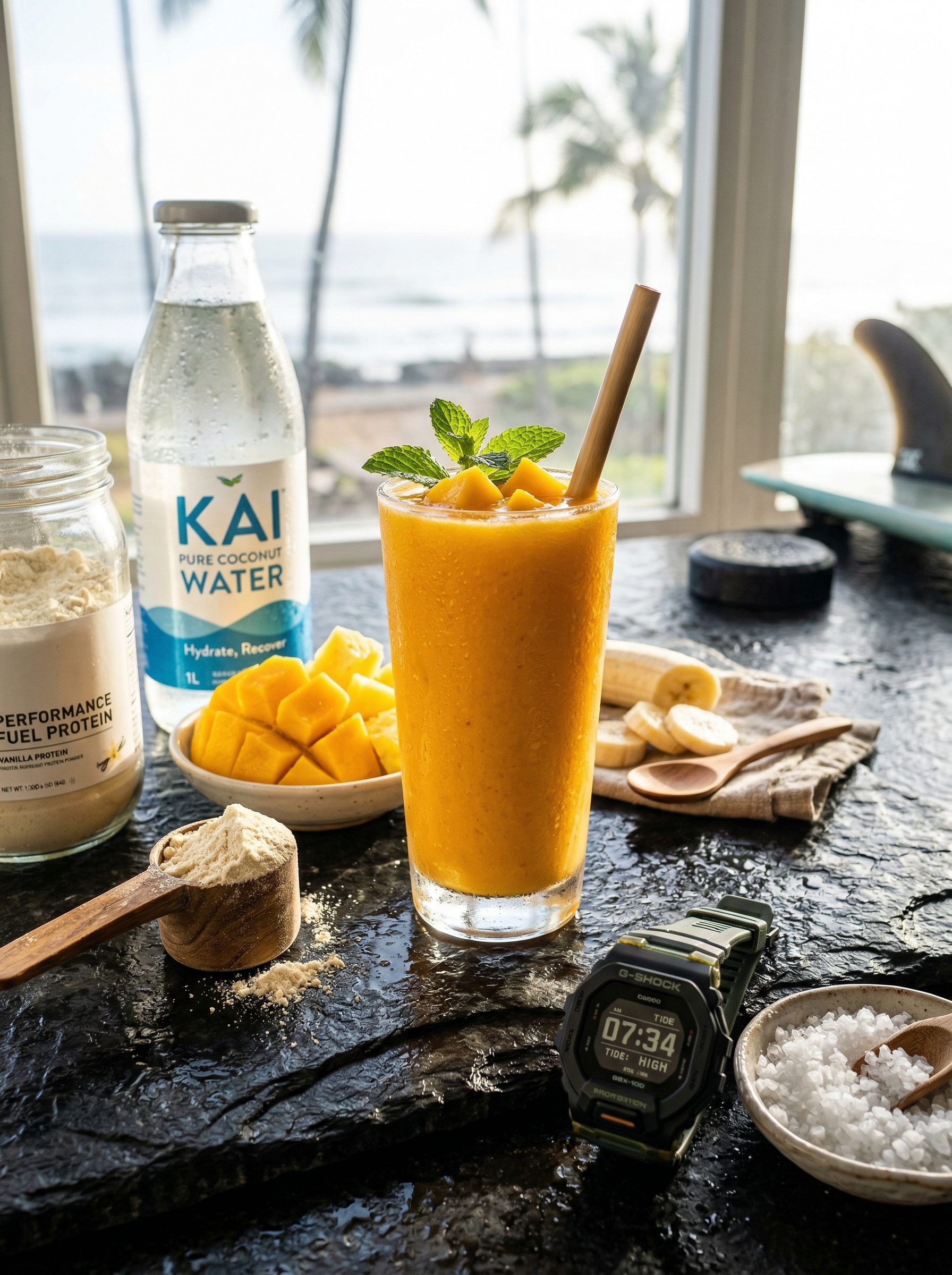
Protein powder is not magic. It is a convenient way to reach your daily protein target when whole food is not available. For surfers targeting 1.6 to 2.0g of protein per kilogram of body weight, a post-session shake can bridge the gap. Whey protein is the gold standard for absorption speed. Plant-based options (pea protein, rice protein blends) work equally well but may require a slightly larger serving to match the leucine content of whey.
Tier 3: Promising but Not Essential
Greens Powders
Products like AG1 and Organifi Green Juice provide a concentrated dose of fruit, vegetable, and adaptogen extracts. The evidence for greens powders is mixed. They are not a replacement for eating actual vegetables, but they can serve as nutritional insurance on travel days or during surf trips where access to fresh produce is limited.
If you already eat 5 or more servings of fruits and vegetables daily, a greens powder adds marginal benefit. If your diet is inconsistent, especially during travel, a quality greens powder provides a baseline of micronutrients that is better than nothing.
Collagen Peptides
Collagen supplementation has growing evidence for supporting joint, tendon, and ligament health. A 2019 study in the American Journal of Clinical Nutrition found that collagen peptides taken before exercise increased collagen synthesis in tendons. For surfers dealing with knee, shoulder, or ankle issues, 10 to 15g of collagen peptides taken 30 to 60 minutes before a session may support tissue repair over time.
Caffeine
Caffeine is a well-established ergogenic aid that improves endurance, reaction time, and perceived exertion. For surfers, the practical application is simple: a cup of coffee 30 to 60 minutes before your session can improve alertness and paddle endurance. The dose that research supports is 3 to 6mg per kilogram of body weight. Do not exceed this; more caffeine does not mean more performance, and excess caffeine increases anxiety and impairs fine motor control.
What to Skip
- BCAAs: If you are eating adequate protein, supplemental branched-chain amino acids provide zero additional benefit. The research is clear on this.
- Testosterone boosters: No over-the-counter "test booster" has meaningful evidence for increasing testosterone in healthy adults.
- Fat burners: Stimulant-based fat burners increase heart rate and anxiety, both counterproductive for surf performance.
- Pre-workout powders: Most are caffeine with added ingredients that have minimal evidence. A cup of coffee does the same job.
- Detox supplements: Your liver and kidneys handle detoxification. No supplement improves on that system.
The Recommended Surfer Stack
If you are going to invest in supplements, here is the stack that offers the highest return for surfers and active people:
| Supplement | Dose | Timing |
|---|---|---|
| Fish Oil (Omega-3) | 2 to 3g EPA/DHA | With meals |
| Vitamin D3 | 2,000 to 4,000 IU | Morning, with fat |
| Electrolytes | Per label | Before and during sessions |
| Creatine Monohydrate | 5g | Daily, any time |
| Magnesium Glycinate | 200 to 400mg | Before bed |
| Protein Powder | 25 to 30g | Post-session |
Total monthly cost for this stack: approximately $60 to $90. That is less than most surfers spend on wax and sunscreen. The performance and recovery benefits, when combined with a solid whole-food diet, are measurable and consistent.
Bottom Line
Food first, always. Supplements fill specific gaps. The essentials are omega-3s, vitamin D, and electrolytes. Everything else is optional and should be evaluated based on your individual needs, training volume, and budget.
Fuel With Real Food