Recovery guide
Post-Surf Recovery Nutrition: The Science of Eating to Surf Again Tomorrow
In This Guide
Recovery is not passive. What you eat in the hours after a surf session determines how fast your muscles rebuild, how quickly your glycogen stores refill, and whether you can perform at full capacity the next day. For surfers training five or six days per week, recovery nutrition is not optional. It is the difference between progressive improvement and chronic fatigue.
This guide breaks down the post-surf recovery process into its component parts: glycogen replenishment, muscle protein synthesis, inflammation management, and rehydration. Each section includes specific food recommendations and timing protocols based on current sports nutrition research.
The Recovery Window: What Science Actually Says
The "anabolic window" has been both overhyped and unfairly dismissed. The original research suggested a narrow 30-minute window after exercise during which nutrient uptake was dramatically elevated. More recent meta-analyses have nuanced this finding. The window is real, but it is wider than 30 minutes: your muscles remain in an elevated state of nutrient receptivity for approximately 2 to 3 hours after intense exercise.
That said, earlier is still better. A 2013 review in the Journal of the International Society of Sports Nutrition found that consuming protein and carbohydrates within 45 minutes of exercise produced measurably faster recovery compared to waiting 2 or more hours. The practical recommendation: eat a recovery meal or snack as soon as you can after your session. If a full meal is not possible immediately, a protein shake or smoothie bridges the gap until you can sit down to eat.
Key Takeaway
Eat within 45 minutes of finishing your session for optimal recovery. A complete meal within 2 hours is the minimum standard. The longer you wait, the slower the recovery process begins.
Glycogen Replenishment: Carbs Come First
A 90-minute surf session can deplete 50 to 70 percent of your muscle glycogen stores. Glycogen is the stored form of carbohydrate in your muscles, and it is the primary fuel source for the type of intermittent, high-intensity exercise that surfing demands. Without adequate glycogen replenishment, your next session will suffer: slower paddling, weaker pop-ups, and earlier fatigue.
The research-backed target is 1.0 to 1.2 grams of carbohydrate per kilogram of body weight in the first 2 hours after exercise. For a 75kg (165 lb) surfer, that is 75 to 90 grams of carbohydrates. This sounds like a lot, but a bowl of rice (45g carbs), a banana (27g carbs), and a glass of juice (25g carbs) gets you there.
The type of carbohydrate matters in this window. High-glycemic carbs (white rice, potatoes, bread, fruit) are actually preferred post-exercise because they spike insulin, which accelerates glycogen storage. This is the one time of day where a blood sugar spike is beneficial rather than harmful.
Protein for Muscle Repair
Surfing creates micro-tears in muscle tissue, particularly in the shoulders, lats, and core from paddling, and in the legs from turns and pop-ups. Protein provides the amino acids needed to repair and strengthen these tissues. The post-exercise protein target is 0.3 to 0.5 grams per kilogram of body weight, or roughly 25 to 40 grams for most surfers.
Leucine is the amino acid that directly triggers muscle protein synthesis, and you need a minimum threshold of approximately 2.5 grams per meal to activate this process. Animal proteins (chicken, fish, eggs, dairy) naturally contain high leucine concentrations. Plant-based surfers should combine protein sources (rice and pea protein, for example) to ensure adequate leucine intake.
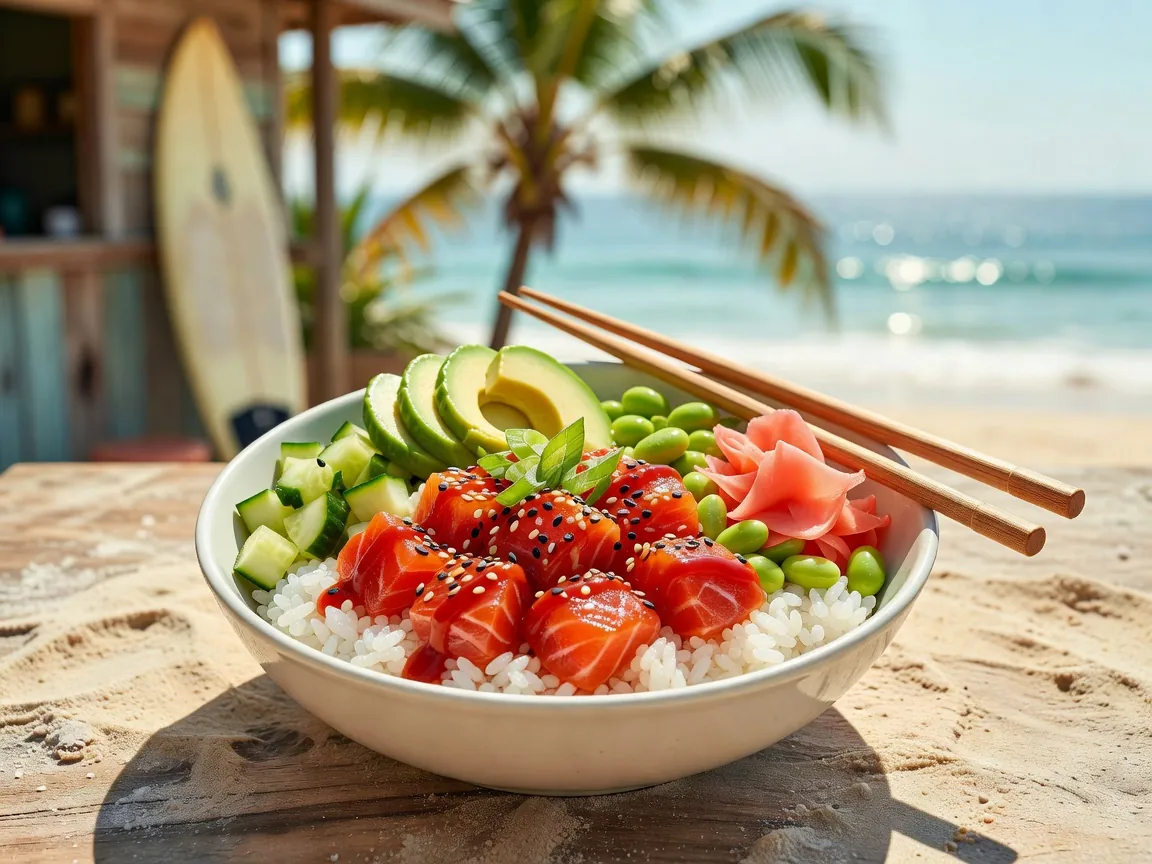
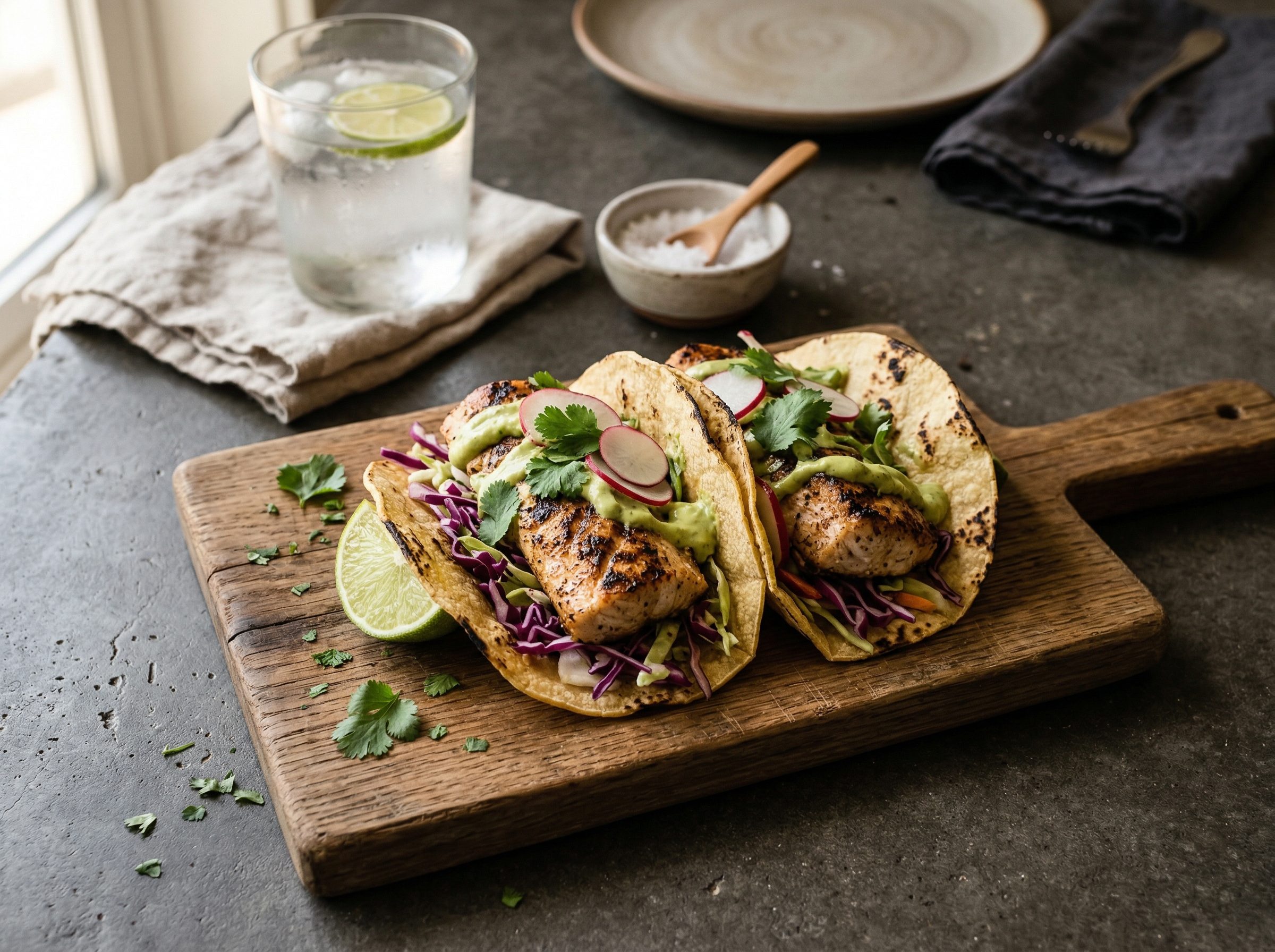
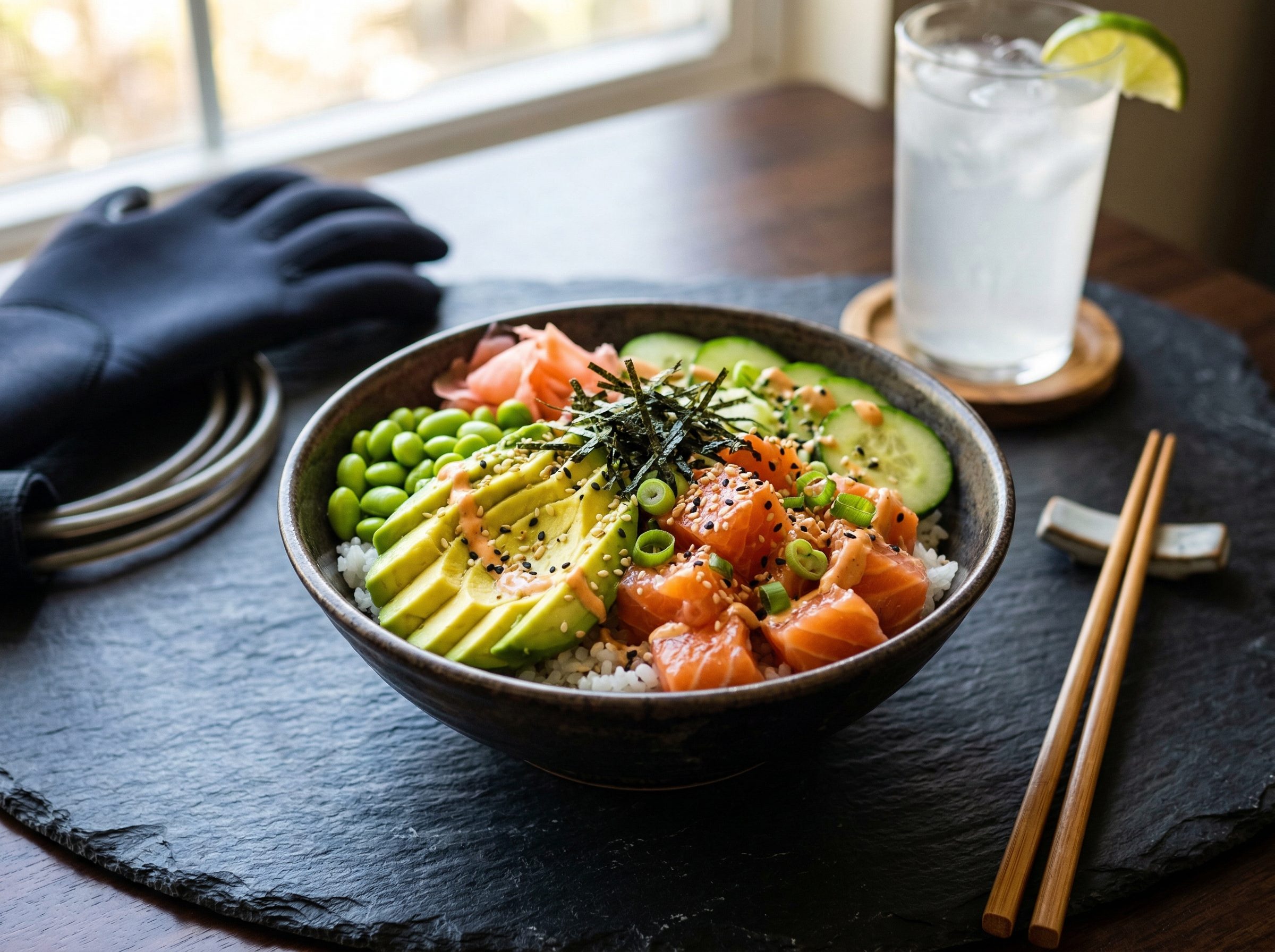
The combination of protein and carbohydrates together produces a faster recovery response than either macronutrient alone. This is why a complete meal (like our Salmon Poke Recovery Bowl or Post-Session Protein Tacos) outperforms an isolated protein shake. If you cannot sit down, start with a shake, then eat. See why a protein shake should be your post-surf go-to and our ranking of post-surf recovery meals.
Fighting Inflammation With Food
Intense exercise triggers an acute inflammatory response. This is normal and actually necessary for adaptation. However, chronic inflammation from daily training without adequate recovery nutrition can lead to persistent soreness, joint stiffness, and increased injury risk. The goal is not to eliminate inflammation entirely but to modulate it so recovery happens efficiently.
Anti-inflammatory foods for surfers:
- Fatty fish (salmon, sardines, mackerel): 2 to 3 servings per week delivers therapeutic levels of EPA and DHA
- Berries (blueberries, cherries, strawberries): Rich in anthocyanins that reduce exercise-induced oxidative stress
- Turmeric: Curcumin is a potent anti-inflammatory compound. Combine with black pepper to increase bioavailability by 2,000 percent
- Ginger: Research shows 2g of fresh ginger daily reduces muscle soreness by 25 percent
- Extra virgin olive oil: Contains oleocanthal, which has similar anti-inflammatory properties to ibuprofen
- Leafy greens: Spinach and kale provide nitrates that support blood flow and reduce oxidative damage
Avoid
NSAIDs (ibuprofen, naproxen) after every session. While they reduce inflammation, chronic NSAID use has been shown to impair muscle adaptation and may delay healing of tendons and ligaments. Save anti-inflammatory drugs for actual injuries, not routine post-surf soreness.
Rehydration Protocol
Most surfers underestimate their fluid loss. A study of athletes who train in the water found average sweat losses of 0.5 to 1.5 liters per hour, depending on water temperature, wetsuit thickness, and exercise intensity. Because you are immersed in water, you do not feel yourself sweating, which suppresses the thirst response.
The rehydration target is 150 percent of the fluid you lost during your session. A practical estimate: drink 24 ounces (about 700ml) of fluid for every hour you were in the water. Include electrolytes if the session was over 60 minutes or if you notice salt crystals on your skin after showering.
Coconut water is an excellent recovery drink: it naturally contains sodium, potassium, and magnesium. Alternatively, add an electrolyte tablet to your water bottle. Avoid alcohol for at least 2 to 3 hours after your session. Alcohol impairs muscle protein synthesis by up to 37 percent and exacerbates dehydration.
Complete Recovery Meals
The ideal post-surf meal combines high-quality protein, fast-digesting carbohydrates, anti-inflammatory ingredients, and adequate fluid. Here are our top picks from the SurferFood recipe library:
- Salmon Poke Recovery Bowl: 42g protein, omega-3s from salmon, fast carbs from sushi rice
- Post-Session Protein Tacos: 36g protein, anti-inflammatory cabbage and lime, moderate carbs from tortillas
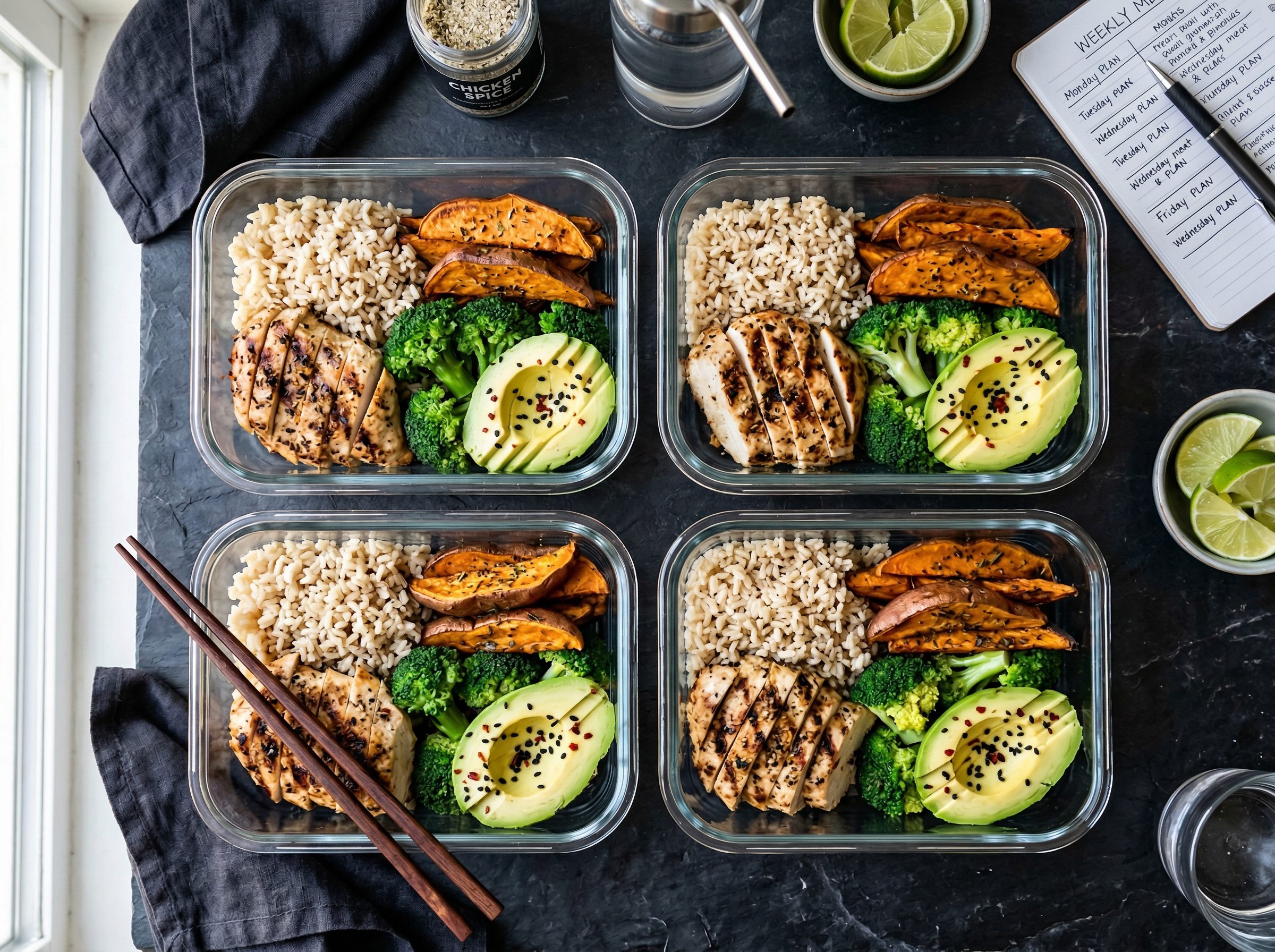
- Meal Prep Rice Bowls: 38g protein, complex carbs from brown rice and sweet potato, cruciferous vegetables
Double Session Days
For surfers training twice in one day (morning and afternoon sessions), recovery nutrition between sessions becomes critical. The window between sessions is typically 3 to 5 hours, and you need to maximize glycogen replenishment and begin muscle repair before heading back out.
The protocol: eat a carb-heavy recovery meal within 30 minutes of finishing the morning session (target 1.2g carbs per kg). Follow with a second smaller meal 2 hours later. Stay hydrated continuously. The afternoon pre-session meal should follow the guidelines in our pre-surf nutrition guide, consumed 2 hours before the second session.
A gel is fuel for the time you are still out, not the recovery plate. On a long paddle, use homemade energy gels or a packet from the best energy gels guide, then eat one of the meals below when you walk up.
Double session days demand 25 to 30 percent more total calories than single session days. Do not try to maintain a caloric deficit during high-volume training blocks. Under-eating during double sessions leads to accumulated fatigue, weakened immune function, and increased injury risk.
Your Post-Surf Recovery Checklist
✓ Eat within 45 minutes of finishing your session
✓ Target 25 to 40g protein and 75 to 90g carbs
✓ Include at least one anti-inflammatory food
✓ Drink 24 oz fluid per hour of time in the water
✓ Add electrolytes for sessions over 60 minutes
✓ Avoid alcohol for at least 2 to 3 hours post-session
✓ Sleep 7 to 9 hours: recovery happens during rest
Recovery Recipes