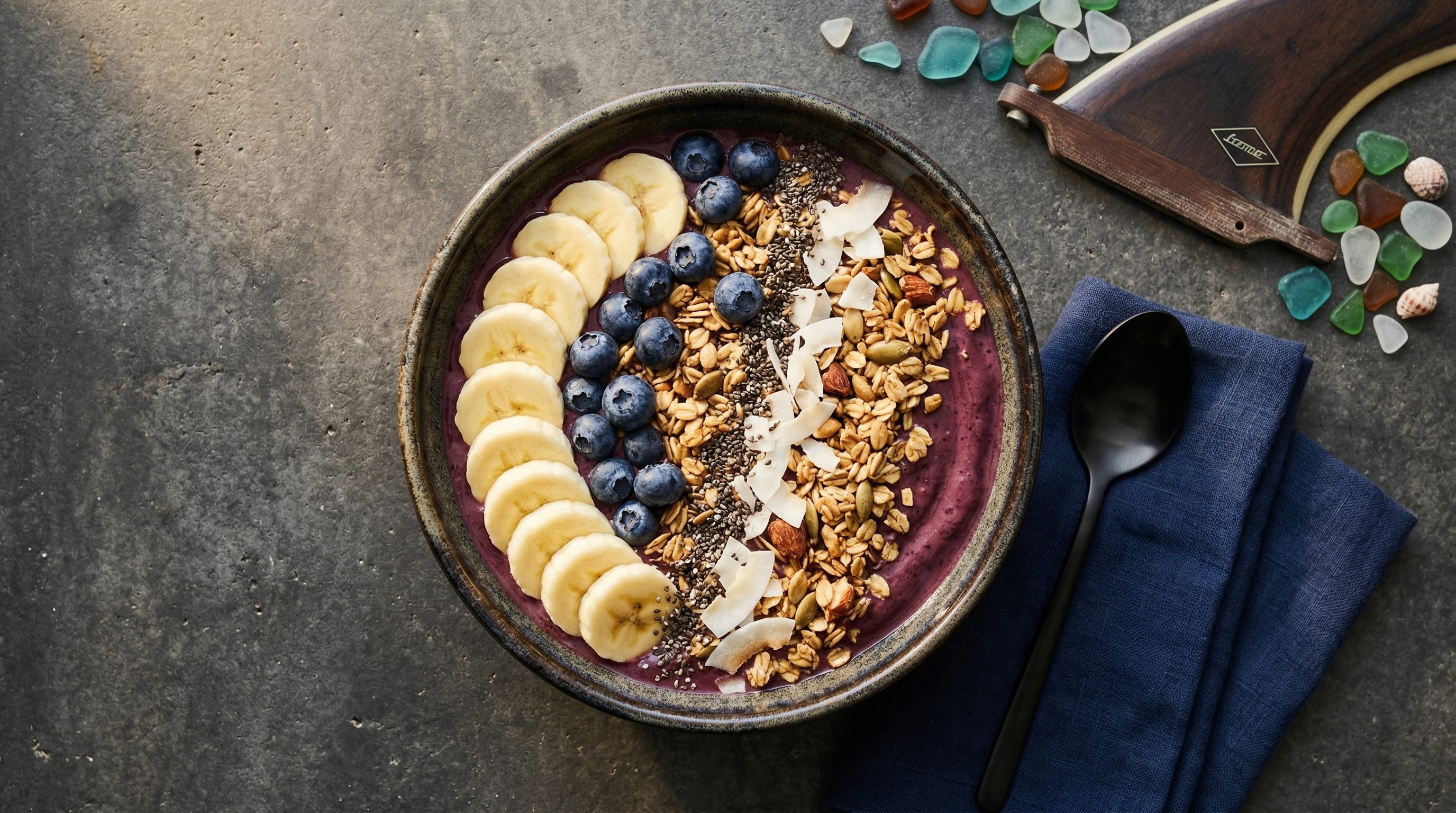
Published: October 5, 2026 | By the SurferFood Editorial Team
Metabolic flexibility means your body can use carbohydrate and fat for fuel, and can shift the mix as the work changes. For surfing, the plain test is whether you can cover the long easy paddling and still have a sprint for the wave.
You can eat for that without a lab test. Match the meal to the session in front of you. Timing details live in what to eat before surfing and the pre-surf guide.
Key takeaways
- Surfing mixes easy paddling with short hard efforts. Carbohydrate feeds the hard efforts. Fat covers more of the easy work when the session runs long.
- A flexible pattern lets you eat a carb-forward meal before a hard surf and a quieter meal on a rest morning.
- A short easy dawn patrol can run on dinner plus a small snack. A long or intense session wants carbohydrate you have already practiced.
- Fasted surfing is an option for some easy days. If you fade, eat.
- Meals and repeated sessions do the work. A powder does not switch your metabolism on.
Fuel Mix
What does metabolic flexibility mean in plain language?
It means you can use more than one fuel, and you can change the mix when the session changes.
Carbohydrate is stored in muscles and liver as glycogen. It shows up quickly when you sprint for a wave, duck dive a heavy set, or paddle hard to the peak. Fat is the larger store. It carries more of the work while you sit, trim, and make the long paddle back. Protein can be burned. It is a poor fuel plan. You would rather keep protein for maintaining muscle while carbohydrate and fat cover the energy.
Flexible means both paths work. One rigid pattern is the surfer who only feels fine after a huge sweet breakfast and falls apart if lunch is late. The other is the surfer who tries to paddle a big day on black coffee and last night's salad. The flexible version can do an easy morning on a small meal, a hard morning on oats, rice, or potato, and a rest day between meals without panic-snacking.
You will not feel a switch flip. You notice the result. Energy holds across a two-hour session. A hard paddle stays available in the second half. Hunger shows up as a normal signal in the car, not as dizziness in the lineup.
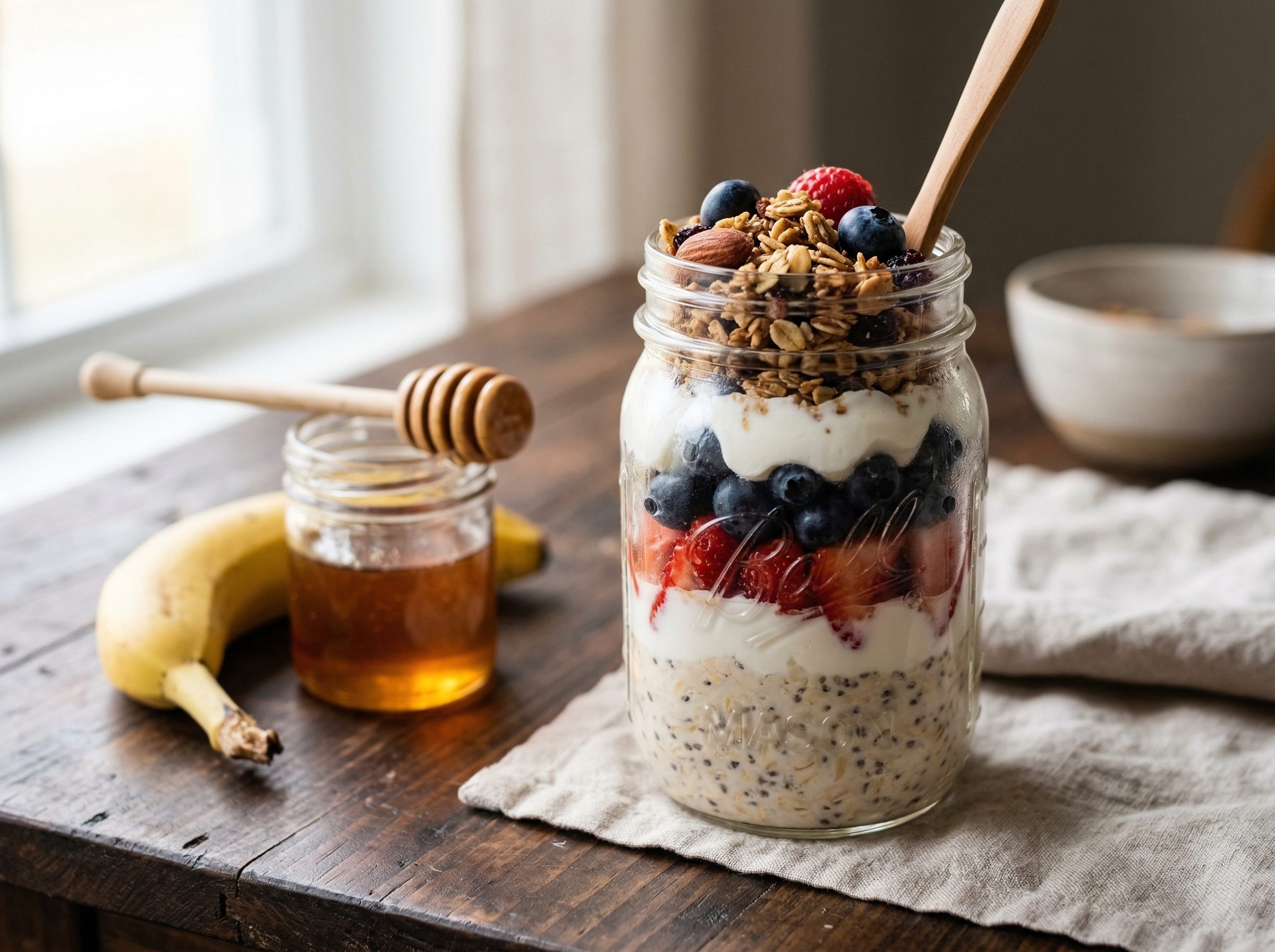
How does a surf session actually use fuel?
Most of the hour is moderate paddling and waiting, with short bursts that prefer carbohydrate.
Picture a beach break. You paddle out, wait, sprint for a wave, ride or miss, and paddle back. The sprint and the duck dive pull on stored carbohydrate. Easy strokes and sitting use a mix, and fat takes a larger share when the effort stays comfortable.
A bigger day shifts the mix toward carbohydrate because the hard efforts come more often. A mellow longboard morning shifts the other way. Heat, a thick wetsuit, and constant duck diving raise the cost even when the waves look small. Count the work.
This is where plans copied from other sports go sideways. Surfing is not a steady all-day jog, and it is not a single all-out effort with a rest day wrapped around it. The ocean sets the interval clock. You want fast fuel available for the bursts. You also want to surf an easy day without a festival breakfast you did not need.
What should you eat before you paddle?
Eat carbohydrate in proportion to the work, at a time your stomach already trusts.
Use what to eat before surfing for the clock and the pre-surf guide for meal patterns.
Two to three hours before a long or hard session, eat a real meal. Oats, rice, potato, or bread you digest. Eggs, yogurt, or a modest piece of fish or chicken. Fruit. Keep fat and raw fiber moderate so the meal can leave your stomach before the first duck dive.
About an hour before, shrink the meal. Banana, toast, leftover rice, or yogurt if it sits well. This is a top-up.
Inside thirty minutes, most people do better with water and maybe a few bites of fruit. A fat-heavy pastry in that window sits badly. So does a huge protein shake. Fat and a large protein dose slow digestion.
On a rest day or a very easy evening surf, the plate can lean toward vegetables, protein, and fat, with less starch. That is flexibility as well. You are matching food to work, not wearing a permanent low-carb or high-carb identity.
Keep coffee if you already drink it. A new stimulant drink adds a variable. It does not train anything.
Where does fasted dawn patrol fit?
It can fit a short, easy session for someone who has tried it and felt well. It is a poor fit for big swells, long paddles, and anyone who gets lightheaded.
Sleep is already a fast. Waking up, drinking water, and surfing forty calm minutes extends it a little. Some people like the light stomach. Some people surf worse and call the flat arms discipline. Watch the paddle. If your arms go dead, your mood drops, or you quit early for no ocean reason, eat the next time.
A banana in the car is a fair way to break a fast that is hurting you. You do not have to earn breakfast. After the session, eat a full meal with carbohydrate and protein. The fast was the morning. It does not have to own the rest of the day.
Skip the experiment in a heat wave, in a new lineup, or on a short night of sleep. Change one thing at a time. The pre-surf guide is where the default meal lives, so a fast stays optional.
Skipping meals all week and then eating a giant bowl at night mostly teaches hunger followed by being overfull. Flexibility looks like ordinary meals at ordinary times, with extra carbohydrate on the hard days.
How do you get better at using both fuels?
Repeat your sessions, eat carbs before the hard ones, and keep a normal dinner in the week.
Your body adapts to the work you actually do. Regular surfing, including easy days, is the training. A meal pattern you can repeat is the nutrition side. A watch estimate of "fat burn" is a guess built from heart rate. It is a weak reason to skip rice before a heavy day.
Habits that support the idea:
- Eat a carb-containing meal before sessions that are long, cold, or intense.
- Eat a smaller meal or a snack before short locals.
- Put protein and vegetables on the plate so the hours between surfs are not a sugar graze.
- Use fruit or a rice ball between a double session.
- On rest days, move a bit and eat normally. You do not need to empty the tank to practice burning fat.
- Sleep. A short night makes every fuel plan feel broken.
If you want feedback, track what you can feel. How long you lasted. Whether you got cold and sloppy at the end. Whether you were fine or frantic at the car. Change the pre-surf meal and watch those for a week.
Caffeine can make you feel alert. It does not fill glycogen. A fat powder stirred into coffee is optional calories with a flavor. Food is still the plan.
What does the meal after surfing have to do with it?
The meal after you get out refills carbohydrate and gives you protein for the work your muscles just did.
If you surf again tomorrow, that refill matters. Rice, potato, fruit, bread, or oats, plus fish, eggs, yogurt, or another protein you eat. Salt the food. Drink water. You are restocking the fast fuel.
Grazing on random sweets can leave you wired and flat in the same evening. A huge fatty dinner with almost no starch after a hard day often makes the next dawn patrol feel heavy. What to eat before surfing covers the before. The after uses the same foods, with room to sit down and a bit more protein.
One dinner does not ruin a month of surfing. A pattern of random fueling can.
This article is educational and is not medical advice. It is not a treatment plan. If you have a medical condition or take medicines that change fluid, salt, or food needs, talk with a qualified clinician.
Frequently asked questions
Do I need a test to know if I am metabolically flexible?
Use the session. If easy mornings and hard mornings both go well on different meals, and you are not crashing or obsessing, you are flexible enough to surf. A lab can measure gas exchange. You can plan breakfast without that number.
Should surfers eat low carb to burn more fat?
Keep starch for the days you paddle hard. Cutting extra sweets is reasonable. Cutting the carbohydrate that feeds sprints and long duck-dive sessions leaves a lot of people flat.
Is a banana enough before I surf?
For a short easy session, often yes, especially after a solid dinner. For a long or heavy session, eat a real meal earlier and keep the banana as the top-up.
Can I surf fasted every day to get better at this?
Hard sessions with no food leave your arms flat. Keep any fasted paddle short and easy, and only on days you already feel well. Feed the big days.
What if I get shaky even after I eat?
Eat sooner, pick a familiar carb, and check whether the meal was mostly fat. Look at sleep and caffeine too. If shakiness, dizziness, or confusion keeps happening, talk to a clinician. That is a medical question.
Where do I start this week?
Decide tomorrow's session size tonight. Big day, plan oats, rice, or potato. Small day, plan fruit and a normal breakfast after. Read what to eat before surfing and keep the pre-surf guide as the default so breakfast is decided before the alarm.
Metabolic flexibility, in the kitchen, means both fuels are available and the plate matches the surf. Set that plate with the carb timing guide and the pre-surf guide, then repeat it until the session feels steady.
Next Step
Read the Carb-Timing Guide
Metabolic flexibility, in the kitchen, means both fuels are available and the plate matches the surf. Set that plate with the carb timing guide and the pre-surf guide, then repeat it until the session feels steady.