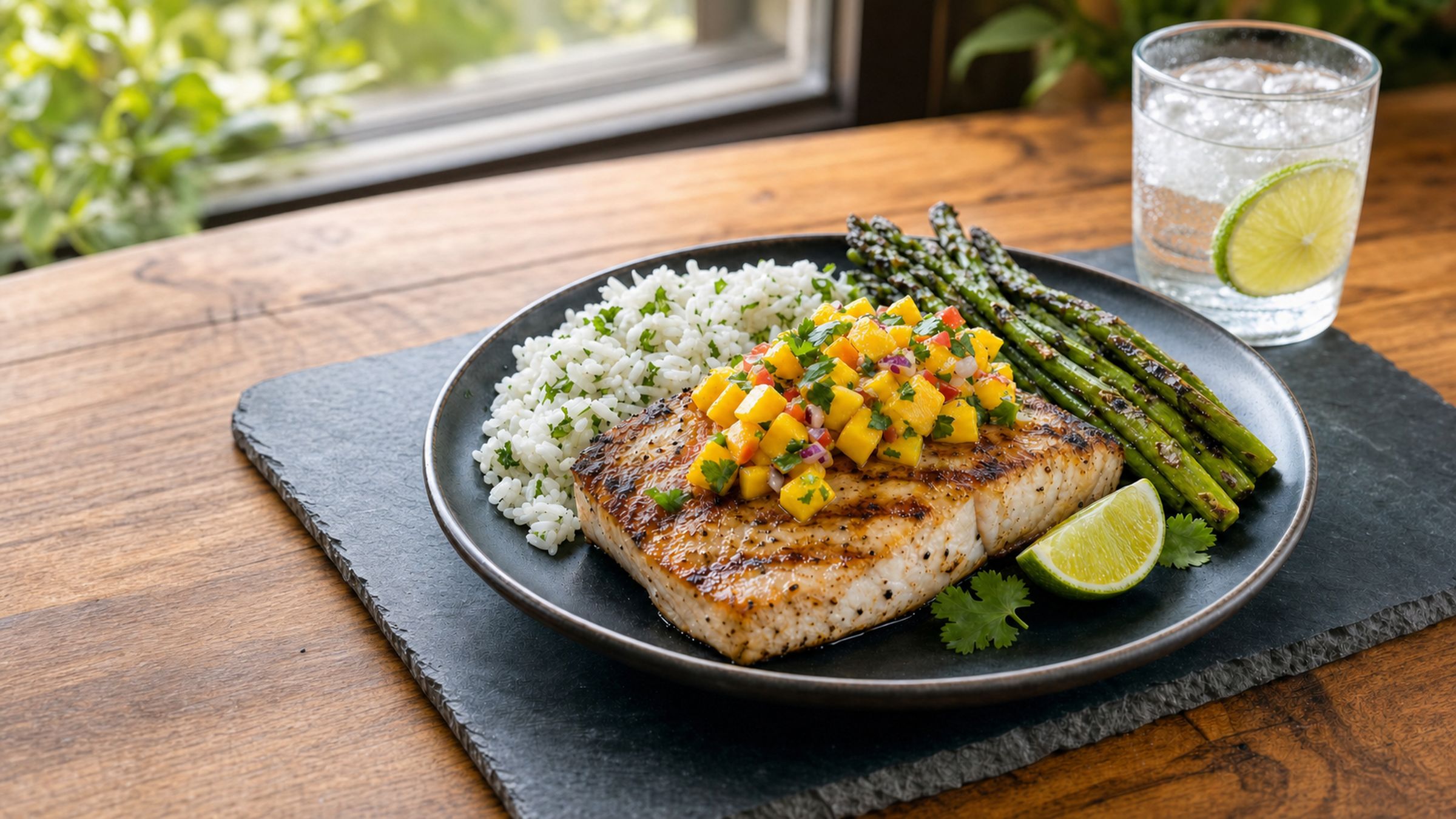
Published: October 5, 2026 | By the SurferFood Editorial Team
Fried fish is the hot plate surf camps cook when everyone is salty, tired, and done negotiating dinner. Add a starch and something fresh to a firm fillet, and the meal puts back fluid-friendly salt, carbohydrate from the paddle, and protein you can finish sitting down.
You do not need a gram target to make the plate work. You need dry fish, a hot pan, rice or potato, and a lime. The mahi-mahi plate recipe is the written version of that camp dinner.
Key takeaways
- Fried fish earns a place after surfing when the plate also has starch, water, and a fresh side.
- Mahi holds a crust and stays mild, which is why camp kitchens default to it.
- Eat once you are rinsed and sitting, while you are still hungry enough to chew.
- A light dredge in hot oil beats a thick batter that soaks grease.
- If dawn patrol is next, stop at one plate and add fruit.
Recovery Meal
Why does fried fish show up after a long session?
Because one skillet turns whatever fish you have into a hot meal tired people will actually eat.
Camp kitchens run on a pan, a pot of rice or potatoes, and fillets that were bought or caught that day. Frying gives the fish a crust and a hot center in a few minutes. Grilled fish is worth it when the grate is clean and nobody is crashing. Fried fish wins when the group is hungry and the fish is already portioned.
The recovery job is ordinary. You sweated and you swallowed salt water, so you want food that tastes seasoned and a glass of water beside it. You paddled, so you want carbohydrate from rice, potato, bread, or plantain. The fish covers protein in a form that feels like dinner. The fry is only the cooking method.
Drink water with the plate. If the first glass disappears, drink another. A cold beer is a camp habit, and it can wait until you have eaten and had water. One is plenty if you are surfing again soon.
What should sit on the plate with the fish?
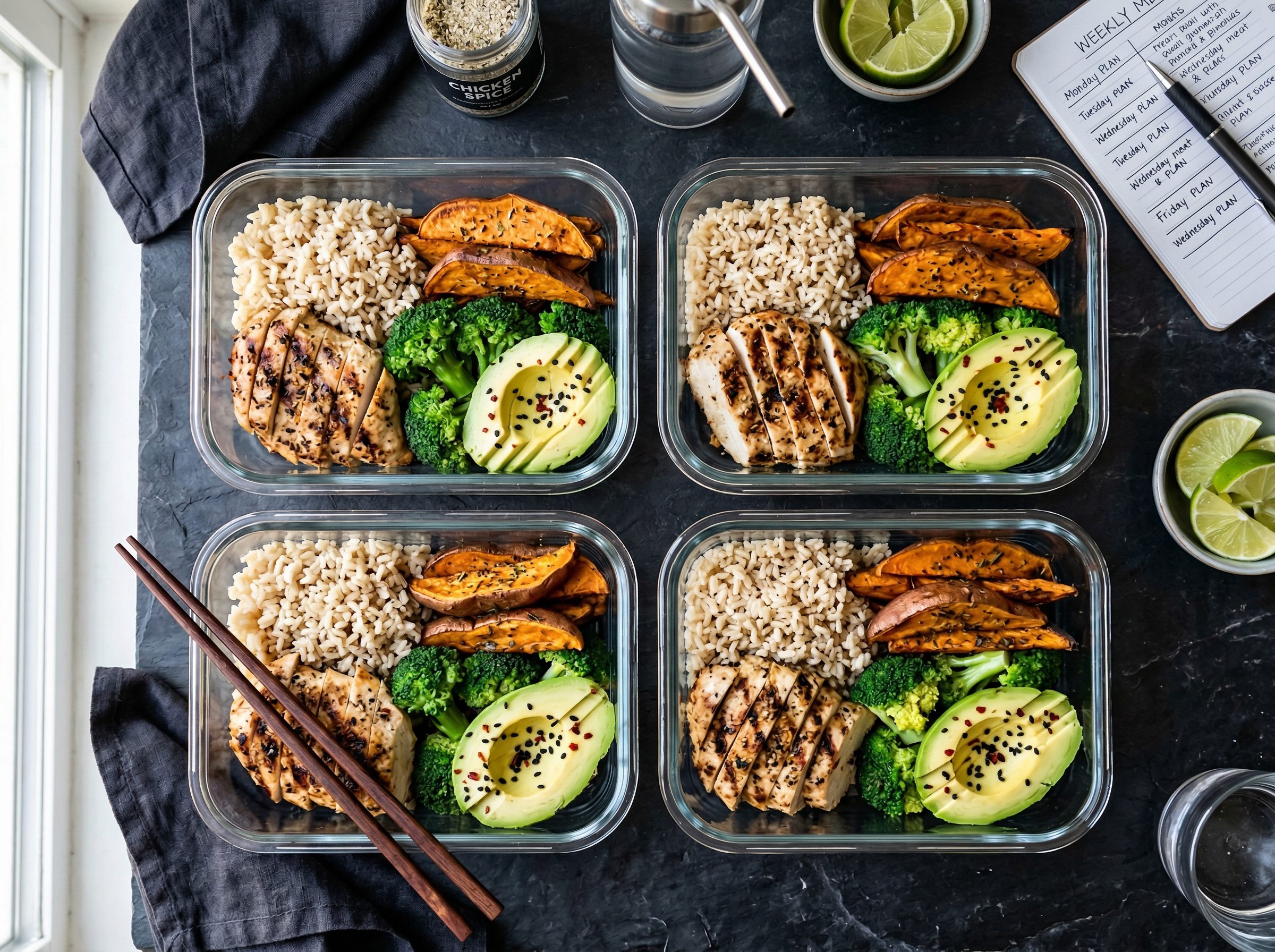
A starch, a fresh or acidic side, and enough salt that the fish tastes finished.
A fillet about the size of your hand is a practical serving after a long paddle. Two smaller pieces cook more evenly than one thick slab. Salt both sides before the pan. Ocean water on your skin does not season the meal.
Add a starch you already have. White rice, potatoes, sweet potato, bread, or fried plantain all refill the carbohydrate you used while paddling. Without that side, fried fish is a rich snack, and you are hunting chips an hour later.
Add something with water and acid. Shredded cabbage with lime, tomato, cucumber, pineapple, or a spoon of salsa all cut the crust so the meal does not sit like a brick. A lime wedge is the minimum. A slaw is better.
Oil belongs in the pan for the fry, then mostly off the plate. Rest the fish on a rack or a paper towel for a minute. You keep the crust. You leave the puddle behind.
How do you build it around the mahi-mahi recipe?
Cook the fish the way the mahi-mahi plate recipe describes, then add the camp sides if you are feeding people who just got out of the water.
Mahi, also sold as dorado or dolphinfish, is firm and mild. It holds together when you flip it, which is more than you can say for a thin delicate fillet. Salt, lime, and a simple dredge are enough. You do not need a heavy sauce, and half a hungry group will ignore one anyway.
Pat the fillets dry. Wet fish steams, and the coating slips. Use a light coat of flour, fine cornmeal, or a mix of the two. Black pepper is enough. A pinch of chili or garlic powder is optional. Skip a thick beer batter on a weeknight unless you have already tested it on a rest day. Thick batter drinks oil and leaves people sleepy.
Heat a thin layer of neutral oil until it shimmers. Butter burns if it is the whole fry. You can dot a little on at the end for flavor. Lay the fish in without crowding. A full pan drops in temperature, and the crust goes greasy. Flip once when the first side is golden and the fillet releases. Cook until the center is just opaque. Rest the fish while you plate the rice.
Finish with lime and herbs if you have them. Put hot sauce on the table so each person can choose heat. If mahi is gone, use another firm fish you trust from that coast, such as snapper, cod, or rockfish. Keep it cold and cook it the day you buy it. In the tropics, ask local surfers which reef fish they actually eat. Big reef predators are the ones people worry about for ciguatera, so a market fish with a known name is the safer buy when you are traveling.
When should you eat the plate?
Eat it when you are out of the suit, rinsed, and able to sit, within a couple of hours of leaving the water.
That window is practical. Hot food gets eaten. If you shower, drive, and only then start cooking, bridge the gap with water and a piece of fruit so you do not arrive shaky and inhale the plate. Chew. A crust disappears fast, and a big portion can land before you notice. Eat the slaw and the rice along with the fish.
If this dinner is eight hours before dawn patrol, one plate is the plan. Add fruit. Leave the second round of fried potatoes in the kitchen. A heavy late fry plus an early alarm is a rough pair. If the next surf is tomorrow afternoon, the same plate is a normal dinner, and breakfast can be simpler.
What if the kitchen is a camp stove?
Boil the starch first, then fry the fish in a small pan while the slaw waits in a bowl.
A single burner can still make this meal. Start the rice or the potatoes. Dry the fish and mix the dredge while they cook. When the starch is done, lid it and switch to the skillet. Cabbage, lime, and salt need no heat.
Stay with a pan of oil on a camp stove. Wind knocks small stoves around, so keep a lid within reach. Fry with real ventilation. If the oil smokes hard, pull the pan off and let it cool a little. Bitter oil sticks to the crust. If the oil is barely warm, wait. Lukewarm oil is how fish turns pale and soggy.
Leftovers belong in a fridge or a cold cooler within a couple of hours, faster in the tropics. Reheat fish until it is hot all the way through. If you cannot keep it cold, cook only what that sitting will eat.
What goes wrong with a fried-fish recovery meal?
The usual misses are no starch, greasy fish from a cool crowded pan, and waiting until everyone is too cooked to enjoy dinner.
A huge portion is the other miss. After a short local, a smaller piece of fish with rice and salad is enough. Recovery is a plate you finish, not a contest with the fryer. If fried food bothers your stomach, pan-sear the same mahi in a teaspoon of oil and keep the rice, the lime, and the slaw. The comfort is the hot fish and the starch. The thick crust is optional.
This article is educational and is not medical advice. It is not a treatment plan. If you have a medical condition or take medicines that change fluid, salt, or food needs, talk with a qualified clinician.
Frequently asked questions
Is fried fish a poor recovery meal because of the oil?
A thin crust, drained, next to rice and a fresh side is a normal dinner. Trouble starts with a thick batter, a puddle of oil, and nothing else on the plate.
Can I use frozen fish?
Yes, if you thaw it in the fridge and pat it very dry. Ice in the pan wrecks the crust. Frying straight from the freezer gives you a softer, wetter result.
Do I need a sports drink with this plate?
Water covers most sessions. After a long surf in heavy heat, salt the rice and eat the fruit. A drink can carry you when food is still an hour away. The plate still does the main job. SurferFood's hydration notes are there when you want a drink plan for the next morning.
Should I fry fish before I surf?
Save this plate for after you get out. Fat and a heavy crust slow the stomach. Before you paddle, eat a lighter carb you have already tested.
What if I do not eat fish?
Keep the plate shape and swap the protein. Eggs, tofu, or chicken in the same pan, plus the starch and the slaw, still feed a tired group. Surf towns default to fish because it is there. The structure is what makes the meal useful.
How do I keep dinner from wrecking an early session?
Stop at one plate, include the slaw, and add a piece of fruit. Leave extra fried potatoes for another day. Sleep, then eat a simpler breakfast.
Cook the mahi-mahi plate recipe the next time you want that camp dinner written down. When fried fish is the wrong tool, the recovery recipes and guides on SurferFood cover lighter plates and the meals that belong before you paddle out.
Next Step
Cook the Mahi Mahi Plate
Cook the mahi-mahi plate recipe the next time you want that camp dinner written down. When fried fish is the wrong tool, the recovery recipes and guides on SurferFood cover lighter plates and the meals that belong before you paddle out.